Grace Luy

Prekindergarten teacher
The Early Learning Center at Memory Road
Wake County Public School System
Raleigh, North Carolina
“This work is playful and dynamic. Every day is unique!”
Grace Luy was a former early childhood educator working in the Philippines when a very personal reason lured her back to the profession.
Her son.
“I began my career in teaching because I love working with young children and believe in the power of early learning,” she recalls. “But life took me in a different direction, and I had stepped away from the classroom. Then my son was diagnosed with a visual impairment.”
Knowing the importance of early intervention and inclusive education, Grace began researching the supports that public schools in the United States offer to children with disabilities. She moved to the US ahead of her family in 2007 and began teaching prekindergarten in Wilson County, North Carolina. When her son arrived and enrolled in the local school system, he received an Individualized Education Program (IEP) and worked with an educational support team.
“I came here as a parent, an advocate, and a lifelong learner,” Grace says. “That transition made me a stronger educator.”
Today, Grace has a master’s degree in education from the University of North Carolina at Chapel Hill, with an emphasis in early childhood intervention and family services. She is a national board-certified teacher in early childhood and is trained in the preschool pyramid model, a framework for promoting young children’s social and emotional development. She has worked for the Wake County Public School System since 2016; for the past three years, as a prekindergarten teacher at The Early Learning Center at Memory Road. Following are excerpts from a conversation about her professional path and the role NAEYC plays.
You’ve described your career as nonlinear. What is it about early childhood education that resonates with you?
Preschool educators have an incredible opportunity to shape a child’s foundational years. There’s something powerful about witnessing the “aha” moments when a child understands a new concept, expresses themselves for the first time in a new way, or builds a relationship with a peer. I’m inspired by the creativity, curiosity, and resilience that young children bring to learning. This work is playful and dynamic. Every day is unique!
You teach 15 children, six of whom usually have IEPs. What does a typical day look like in your classroom?
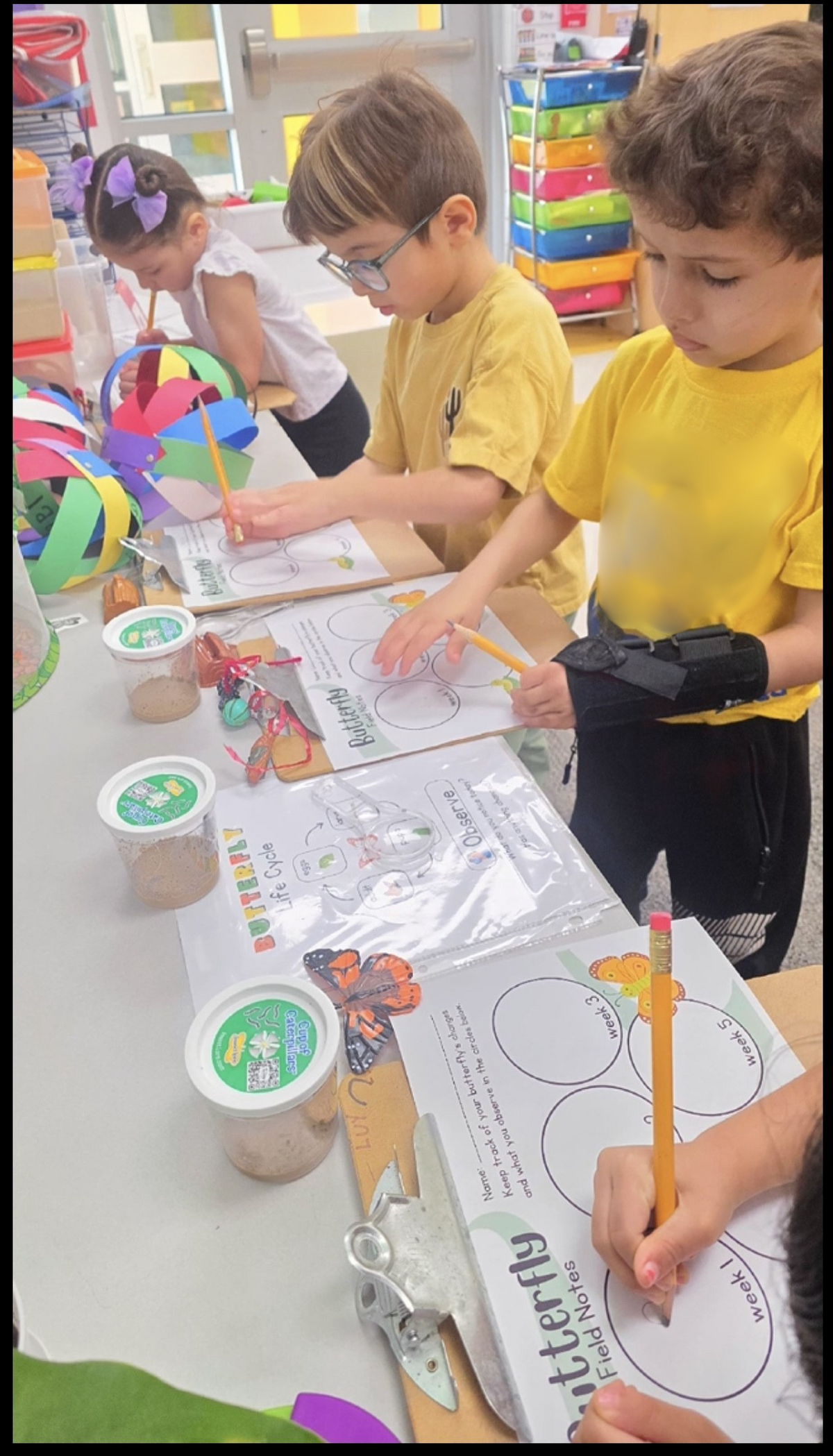
Our district follows a specific curriculum with a scope and sequence, but the teachers have autonomy to design their days. No two are the same: I usually plan a week of lessons, and we do a lot of project-based learning. The children’s interests help to inform what my focus will be.
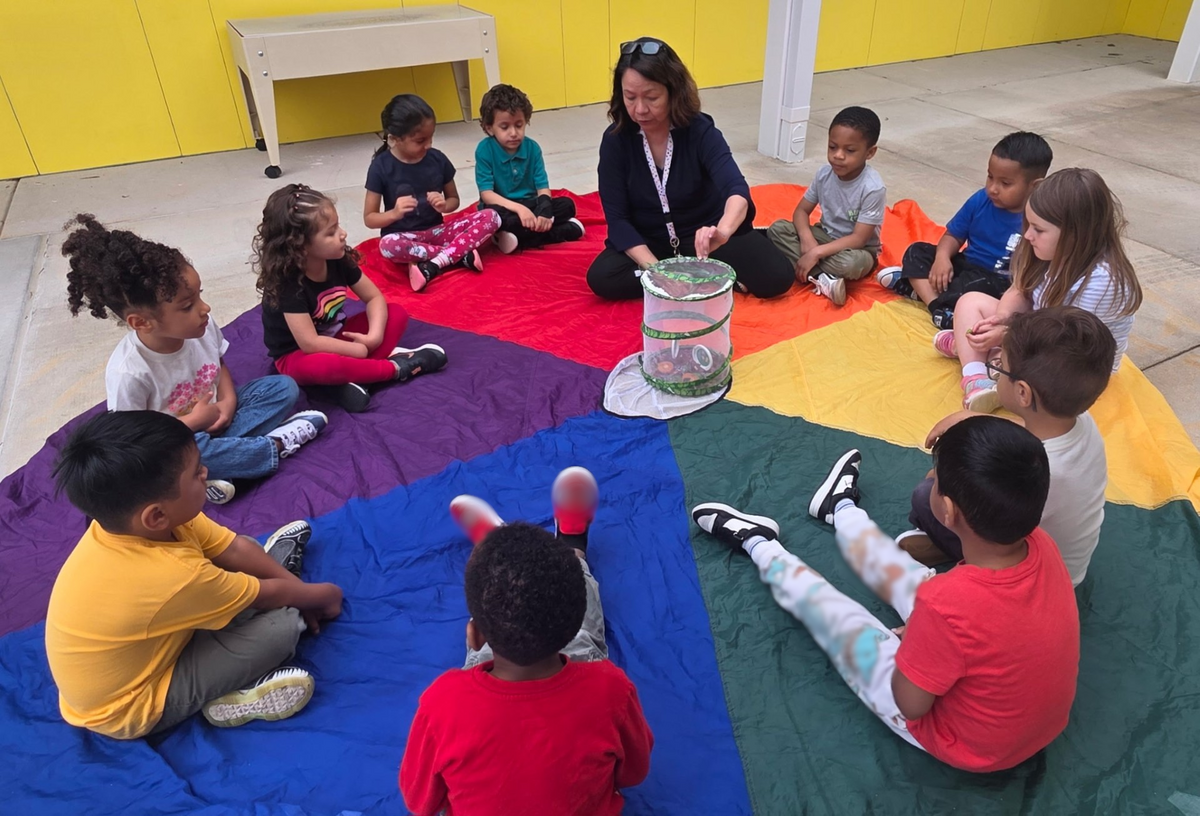
My classroom is play-based and full of movement, curiosity, and connection as children learn. No matter what we’re doing, there’s a comforting rhythm. I welcome children with a smile, a hug, or a handshake. We have morning meeting time to build community. The bulk of the day is choice time, where children can play with blocks or with sensory materials or in the dramatic play center. During this time, I offer small-group instruction in content areas like literacy, math, and science. My instructional assistants are my valuable partners to support children’s learning in the classroom.
What do you see as the chief challenges in early childhood settings today?
It can be challenging for teachers to support children’s different behaviors. This requires collaboration with administrators and the whole teaching team to ensure that every child is learning, growing, and positively engaged (see the accompanying article “Advice for Guiding Children’s Behavior”). And of course, the profession needs more support and recognition of its importance. Despite clear research showing that early experiences have lifelong impacts, many early childhood educators work long hours with limited resources and inadequate and inequitable compensation.
Those are issues NAEYC continues to address. What are some ways that NAEYC informs your practice?
NAEYC became an essential part of my practice when I began my journey toward national board certification. I found myself turning again and again to its position statements, publications, and professional development resources. The position statement on developmentally appropriate practice has truly shaped how I plan my curriculum, observe children, and respond to individual needs. The articles in Young Children and Teaching Young Children [EYC’s predecessor] are full of research-backed practices I’ve used directly in my classroom. And I just bought the third edition of The Intentional Teacher: Choosing the Best Strategies for Young Children’s Learning. That’s a resource I’ll use to reflect on my own teaching choices.
This year, NAEYC celebrates its centennial. What does that milestone mean to you?
Being a member of NAEYC has had a powerful impact on my work in early childhood education. It has helped me feel connected to a larger professional community. As an early childhood educator, NAEYC’s centennial means being part of a 100-year tradition of dedication to young children’s learning and well-being. NAEYC has elevated early childhood education for 100 years, and that is a collective achievement of dedicated educators, families, researchers, and policymakers.
You help to develop a robust early childhood education community by serving on your school’s leadership team. Why is that work important to you?
Our school leadership team is made up of administrators, instructional assistants, teachers, and a social worker. We create vision and mission statements, define and evaluate our strategic implementation plan, and undertake schoolwide initiatives. I’m particularly interested in mentoring new teachers. When I was a beginning teacher in the United States, my school assigned a mentor to me. She really helped me navigate my new environment. That’s why I want to pay it forward. I share my experiences, connect new teachers to resources, and encourage them to recognize and celebrate wins. Confidence grows through encouragement!
Photographs: courtesy of Grace Luy. Copyright © 2026 by the National Association for the Education of Young Children. See permissions and reprints online at NAEYC.org/resources/permissions.